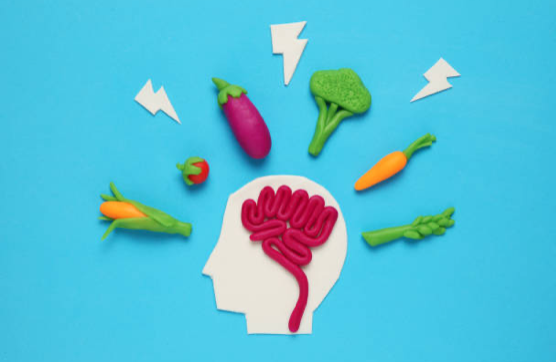

In this new issue of Cortica, the projects developed within the CAS in Educational Neuroscience reflect something essential: the movement of science beyond theory and into the lived realities of educational practice. Here, neuroscience is neither a trend nor an artificial layer of concepts. It becomes a framework for understanding, regulating, supporting, and transforming educational environments for children, young people, families, and professionals based on scientific data.
Across the contributions, a common thread clearly emerges: to support learning, we must first better understand the human being. We must understand what is at stake in disrupted attachment, stress, dysregulation, neurodevelopmental differences, inclusive education, and teachers’ sense of efficacy. Whether through the RESPIRE workshop designed to strengthen inner safety, the “power cards” created to foster metacognition in deaf learners, tools supporting young people with neurodevelopmental disorders, or approaches that reinforce school–family–community collaboration, all these projects share the same ambition: to offer concrete, embodied, and transferable responses.
This issue also highlights a strong conviction: learning is never only cognitive. It involves the body, emotions, relationships, perceived safety, motivation, and the capacity to act. In that sense, the work gathered here points toward a valuable path forward: a rigorous, humane, and committed form of neuroeducation, one that meaningfully connects scientific knowledge with the real needs of educational settings.